Source waterproof billiard keychain for Souvenir Gift, Club Decoration, and Commercial Use
Find 30 options for a waterproof billiard keychain suitable for souvenir gifts, club decoration, and commercial applications. Buyers can compare specifications, materials, and pricing across these listings to select the best fit for their needs.
Key considerations
Products List




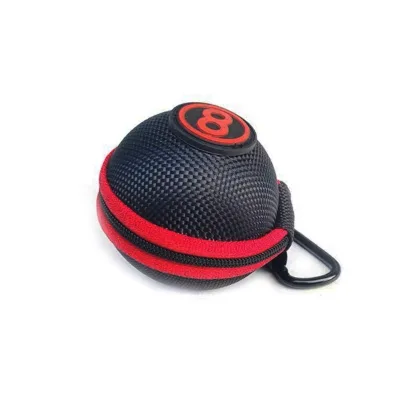

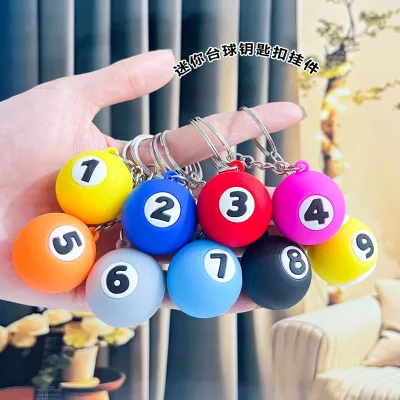


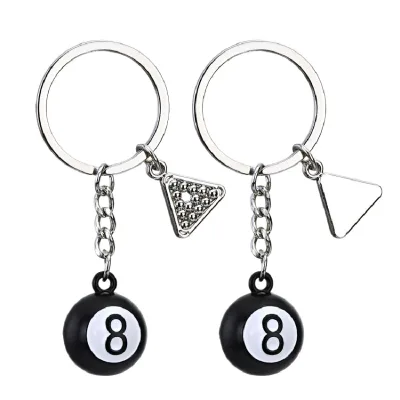


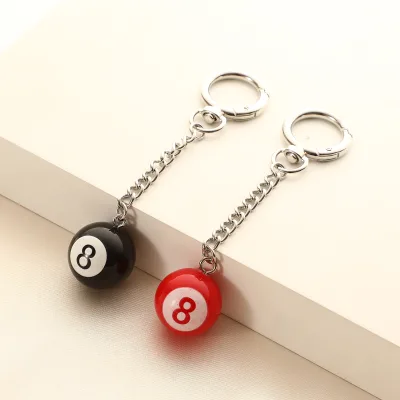

Comprehensive Sourcing Guide
Strategic Sourcing Guide for Waterproof Billiard Keychains
Understanding Product Variants and Technical Specifications
When sourcing a waterproof billiard keychain, buyers must first navigate the diverse range of product configurations available in the global market. The core keyword implies a specific aesthetic and functional requirement, yet the underlying technical specifications vary significantly between suppliers. Based on observed market data, the primary material composition for these items typically involves a combination of PVC and zinc alloy, or alternatively, plastic, ABS, and resin. The choice of material directly influences the durability, weight, and the effectiveness of the waterproof claim. For instance, zinc alloy components provide a premium feel and structural rigidity, while PVC offers flexibility and vibrant color retention.
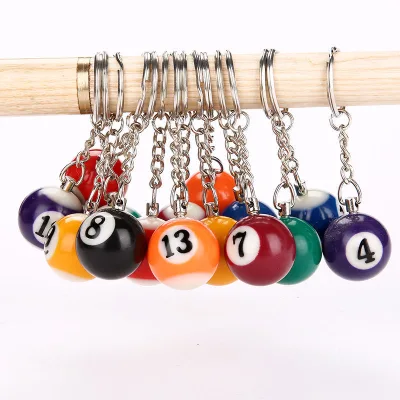
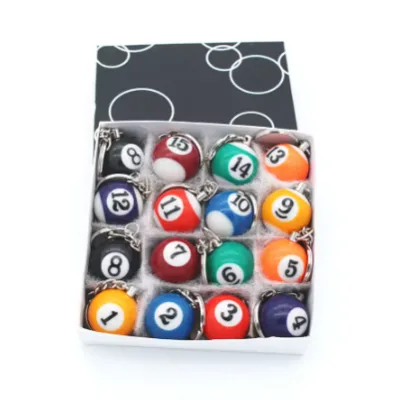
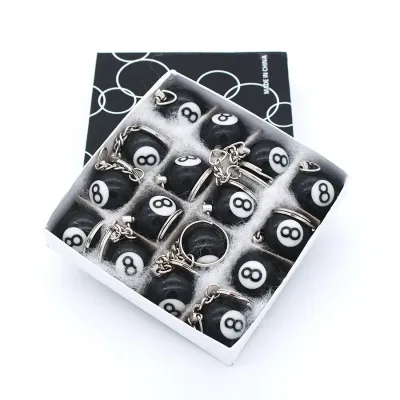
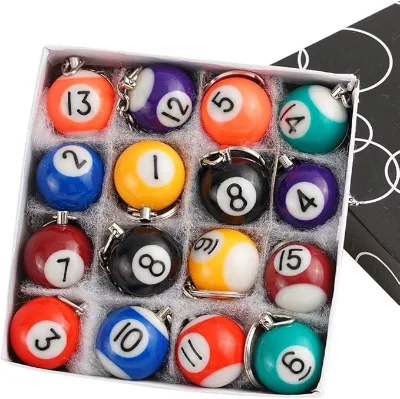
The physical dimensions of the keychain are critical for both shipping logistics and end-user satisfaction. Market observations indicate a standard ball size of approximately 25mm to 30mm, designed to mimic the appearance of a pool ball, specifically the iconic black 8-ball. However, packaging dimensions can fluctuate widely; some listings report a single package size of 20x15x5 cm, while others cite 5x6x3 cm or 20x20x8 cm. This variance suggests that the "single package size" often includes the retail box, which may be a color box or a simple OPP bag. Buyers should verify the exact dimensions of the finished unit versus the bulk packaging to calculate accurate freight costs.
Furthermore, the accessory components are a key differentiator. The standard configuration usually includes a metal chain and a metal hook, forming a key ring keychain type. The weight of the individual unit is another critical specification, with observed values ranging from 45g to 0.050 kg for the item itself, though the single gross weight (including packaging) can reach up to 0.800 kg depending on the quantity per box. Understanding these granular details is essential before initiating a Request for Quotation (RFQ), as they dictate the total landed cost and the suitability of the product for specific promotional or retail purposes.
Material Composition and Waterproof Performance Verification
The assertion of "waterproof" performance in billiard keychains requires careful scrutiny of the material science and manufacturing processes involved. While the product features often list attributes such as "waterproof," "lightweight," and "durable," these are observations rather than guaranteed test results for every listed product. The primary materials identified in the supply chain include PVC, zinc alloy, plastic, ABS, and resin. Each material possesses different water resistance properties. PVC and ABS are inherently hydrophobic and resistant to moisture damage, making them suitable for outdoor use or exposure to liquids. Zinc alloy, while durable, can be susceptible to corrosion if the plating is compromised or if the metal is exposed to salt water without proper sealing.
Buyers must distinguish between the waterproof nature of the plastic components and the metal hardware. The metal chain and hook are typically plated to prevent rust, but the integrity of this plating is not always guaranteed without specific testing. To verify the waterproof claim, procurement teams should request evidence of water resistance testing rather than relying solely on marketing descriptions. The "Product Features" section often highlights "Portable" and "Waterproof," but the absence of specific test data means the buyer must define the performance criteria. For example, does "waterproof" mean splash resistance, submersion in fresh water, or resistance to salt water?
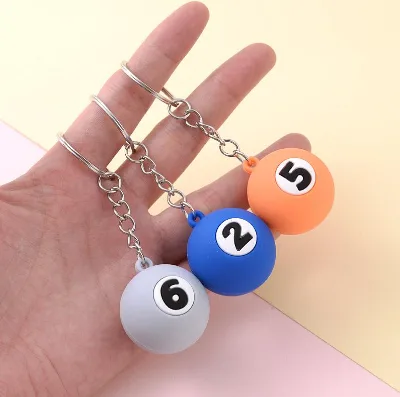
Additionally, the manufacturing process plays a vital role in the final waterproof rating. The assembly of the metal hook to the plastic ball must be secure to prevent water ingress into the internal mechanisms, although many simple keychains do not have internal moving parts. The "Grade" of the material is often listed as "Good quality," but this is a subjective term. Buyers should inquire about the specific grade of the resin or the thickness of the zinc alloy plating. If the product is intended for use in humid environments like pool clubs or outdoor events, the material selection becomes paramount. The color options, which include black, blue, green, orange, purple, red, white, and yellow, are achieved through the molding or painting process, and the quality of the dye or paint affects the longevity of the color when exposed to water and UV light.
Cost Drivers and Pricing Structure Analysis
The pricing structure for waterproof billiard keychains is influenced by a complex interplay of material costs, customization levels, and order volume. The observed listed price range in the market spans from $0.08 to $16.00 USD, a significant variance that reflects differences in material quality, branding, and order quantity. The lower end of the spectrum typically corresponds to bulk orders of simple plastic or resin keychains with minimal customization, while the higher end may reflect premium zinc alloy constructions, complex OEM branding, or small batch orders.
The Minimum Order Quantity (MOQ) is a primary driver of unit cost. Market data indicates an MOQ range from 1 piece to 3,000 pieces, with a high-confidence observation of 50 pieces for certain configurations. Suppliers often offer tiered pricing, where the unit cost decreases as the order volume increases. For buyers looking to minimize initial investment, the ability to order small quantities, such as 1 box or small cartons, is a critical factor. However, the "MOQ: 1 box/small carton" suggests that some suppliers may have a low barrier to entry but higher per-unit costs for these small batches.
Customization is another significant cost factor. The product attributes indicate that "OEM/ODM" is warmly welcomed and that "Customer Logo" printing is available. Customizing the product with a specific logo, selecting a unique color palette, or altering the packaging details (e.g., switching from an OPP bag to a color box) will inevitably increase the production cost. The sample time, observed to be 1-3 days, suggests that the customization process is relatively streamlined, but the setup costs for tooling or mold creation for custom designs can be substantial. Buyers must balance the desire for unique branding against the budget constraints, understanding that the "non" or "no brand" status of many products keeps costs low, while a custom brand name adds value but also expense.
Supplier Evaluation and Operational Capabilities
Selecting the right supplier requires a rigorous evaluation of their operational capabilities, particularly regarding their location, lead times, and production flexibility. The high-confidence fact that the place of origin is Guangdong, China, is a crucial piece of information for buyers, as this region is a global hub for manufacturing keychains and promotional items. Guangdong suppliers typically have established supply chains for materials like PVC, zinc alloy, and plastic, which can lead to competitive pricing and faster production cycles.
When evaluating suppliers, buyers should focus on their ability to handle customization and their sample policies. The "Sample time: 1-3 Days" is a strong indicator of a responsive supplier capable of quick turnaround for prototype approval. This is particularly important for buyers who need to validate the quality and waterproof claims before committing to a large order. The "is_customized: Yes" attribute confirms that the supply chain is flexible enough to accommodate specific design requests, such as custom logos or specific color combinations.
However, buyers must also be wary of inconsistencies in product descriptions. The observed data shows conflicting specifications, such as different model numbers (Billiard ball keychain, KC, KC16) and varying package sizes. This suggests that the market is fragmented with many small manufacturers. A reliable supplier should be able to provide a consistent product specification sheet that aligns with the buyer's requirements. The "Brand Name" is often listed as "non" or "no brand," which is typical for OEM suppliers, but buyers should verify if the supplier has a track record of working with established brands or if they are purely a white-label manufacturer.
Furthermore, the "Application" field lists uses such as "Commercial, Portable, Club," and "Sports, pool table game." This indicates that the product is versatile and suitable for various contexts. A supplier who understands these applications can provide better advice on material selection and durability. Buyers should also check the "Packaging Details," as the transition from "OPP Bag" to "Color Box" can affect the perceived value of the product and the shipping volume. A supplier who can offer flexible packaging options adds significant value to the procurement process.
Quality Control and Compliance Considerations
Quality control (QC) is paramount when sourcing waterproof billiard keychains, especially given the varied claims regarding durability and water resistance. While the product features list attributes like "Durable" and "Waterproof," these are observations that require verification. Buyers should implement a robust QC strategy that includes pre-production sample approval, in-process inspections, and pre-shipment inspections. The "Grade: Good quality" mentioned in the data is subjective and must be defined by the buyer through specific acceptance criteria.
Compliance and certification checks are another critical area. Although the background information mentions ISO 27001:2022, this is a standard for information security management and is not directly relevant to the physical quality or safety of a billiard keychain. Buyers should not assume that a supplier holds this certification unless explicitly verified. Instead, the focus should be on material safety standards, such as REACH or RoHS compliance, which ensure that the PVC, plastic, and metal components are free from harmful substances. Since the product is often used as a "Souvenir Gift" or "Design: as gift," safety for children or general public use is a consideration.
Buyers should request test reports for water resistance, particularly if the keychain is intended for use in wet environments. The "Product Features" section highlights "Waterproof," but without specific test data, this claim remains unverified. A reliable supplier should be able to provide evidence of water resistance testing, such as immersion tests or spray tests, to validate the claim. Additionally, the "Accessory: Metal Chain+metal Hook" should be inspected for strength and corrosion resistance. The "Single gross weight" varies, and consistent weight control is an indicator of quality consistency in the manufacturing process.
Long-Term Procurement and Supply Chain Resilience
Long-term procurement of waterproof billiard keychains requires a strategic approach to supply chain management, focusing on reliability, scalability, and cost stability. The "MOQ: 50 Pieces" and the wide range of "Selling Units: Single item" suggest that the market supports both small-scale testing and large-scale distribution. Buyers should establish a relationship with suppliers who can scale production as demand grows without compromising quality. The "OEM/ODM: Warmly Welcomed" attribute indicates that suppliers are open to long-term partnerships and continuous customization.
Supply chain resilience is also influenced by the "Lead time" and "Sample time." With a sample time of 1-3 days, suppliers appear to be agile, but buyers should confirm the lead time for bulk production. The "Place of Origin: Guangdong, China" is a stable manufacturing hub, but geopolitical factors or logistics disruptions can impact delivery. Buyers should consider diversifying their supplier base or maintaining safety stock to mitigate potential risks.
Finally, the "Usage: Souvenir Gift" and "Application: Commercial, Portable, Club" suggest that the product has a broad market appeal. Buyers should monitor market trends and consumer preferences to ensure that the product design remains relevant. The "Color" options, including black, blue, green, orange, purple, red, white, and yellow, offer flexibility for branding and seasonal campaigns. By maintaining a proactive approach to supplier evaluation and quality control, buyers can ensure a steady supply of high-quality, waterproof billiard keychains that meet their specific business needs.
Comparative Analysis of Key Product Attributes
To facilitate a clearer decision-making process, the following table summarizes the key attributes observed in the market for waterproof billiard keychains. This comparison highlights the variability in specifications and helps buyers identify the most suitable options for their requirements.
| Attribute | Observation A | Observation B | Observation C |
|---|---|---|---|
| Material | PVC + Zinc Alloy | Plastic / ABS / Resin | PVC + Zinc Alloy |
| Ball Size | 30mm | 25mm | 25mm |
| Single Package Size | 20x15x5 cm | 5x6x3 cm | 20x20x8 cm |
| Single Gross Weight | 0.4 kg | 0.050 kg | 0.800 kg |
| Packaging Type | Color Box | OPP Bag | Color Box |
| MOQ | 50 Pieces | 1 box/small carton | 1-3000 (Range) |
| Sample Time | 1-3 Days | 1-3 Days | 1-3 Days |
| Keychain Type | Key Ring Keychain | Key Ring Keychain | Key Ring Keychain |
| Accessory | Metal Chain + Hook | Metal Chain + Hook | Metal Chain + Hook |
| Color Options | Black, Blue, Green, etc. | Blue, Black, White, etc. | Black, Blue, Green, etc. |
| Customization | Customer Logo | Customer Logo | Yes (Customized) |
This table underscores the importance of verifying specific details before placing an order. The variation in package size and weight, for example, can significantly impact shipping costs and storage requirements. Similarly, the material differences affect the perceived quality and durability of the product. By carefully reviewing these attributes, buyers can make informed decisions that align with their strategic objectives and budget constraints.
FAQs
What materials are used for waterproof billiard keychains?
These keychains typically use PVC combined with zinc alloy, or plastic, ABS, and resin. The material choice affects durability and water resistance, with PVC and ABS offering inherent hydrophobic properties suitable for wet environments.
Can I customize the logo on these keychains?
Yes, customer logos are welcomed and OEM or ODM services are available for these items. Buyers can request specific branding on the product, though setup costs may apply depending on the complexity of the design and order volume.
What is the minimum order quantity for these products?
The minimum order quantity varies, with high-confidence data showing a standard of 50 pieces. Some suppliers may accept smaller orders like one box, but bulk purchases generally yield better unit pricing and shipping efficiency.
How long does it take to receive a sample?
Sample times are typically short, ranging from 1 to 3 days for preparation. This quick turnaround allows buyers to verify product quality and waterproof claims before committing to larger production runs or custom orders.
Which dimensions are standard for the billiard ball keychain?
The ball size is commonly observed at 25mm or 30mm to mimic a pool ball. Packaging dimensions vary significantly, ranging from 5x6x3 cm to 20x20x8 cm depending on whether the unit includes a retail box or simple OPP bag.
Where are these keychains manufactured?
The place of origin is Guangdong, China, a major hub for keychain manufacturing. This location provides access to established supply chains for materials like PVC and zinc alloy, ensuring competitive pricing and efficient logistics.